

Medellin
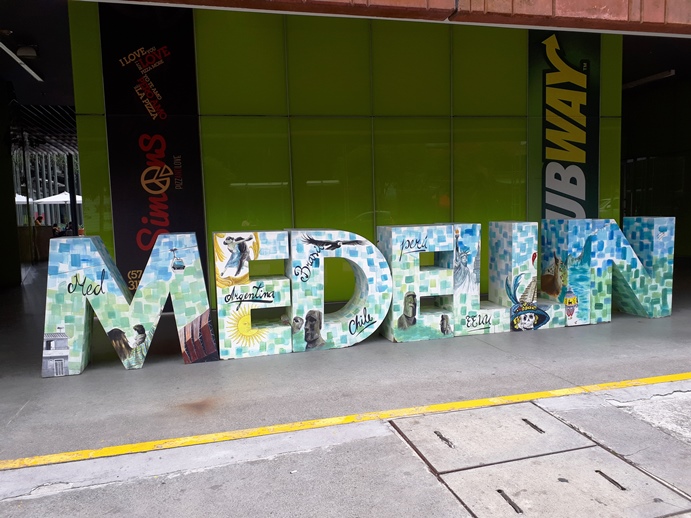
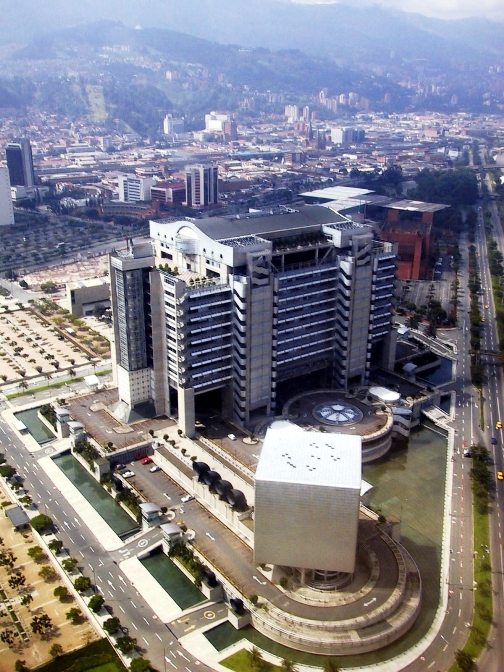
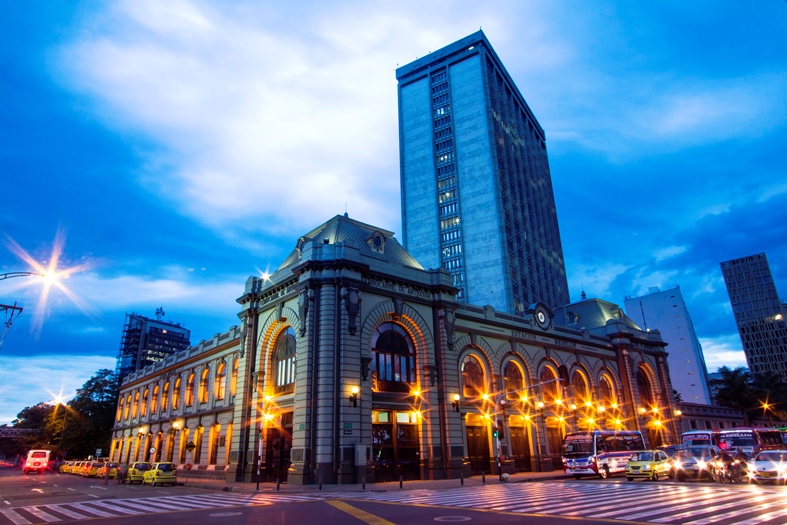

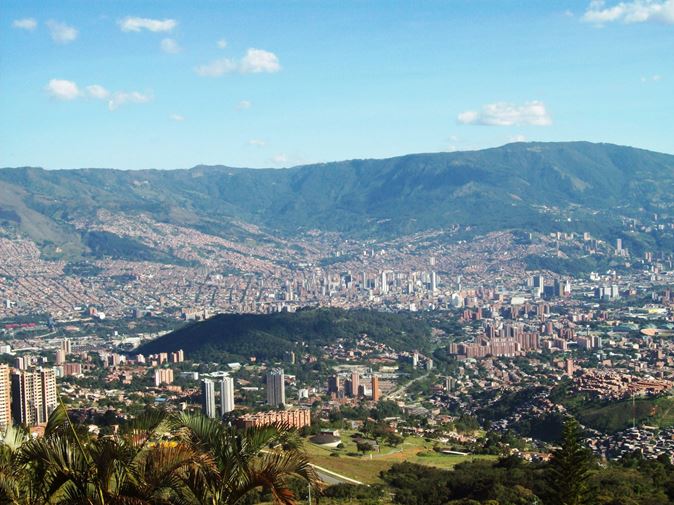
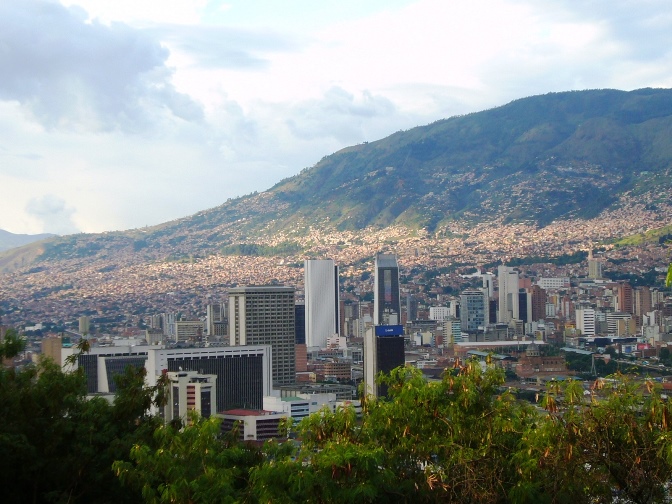
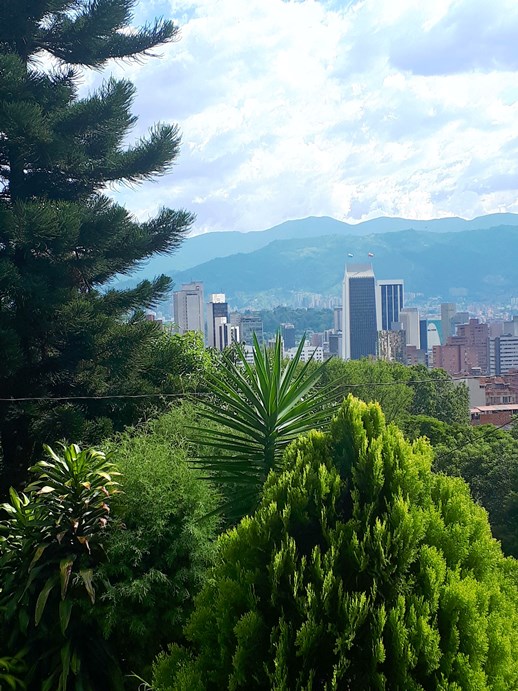
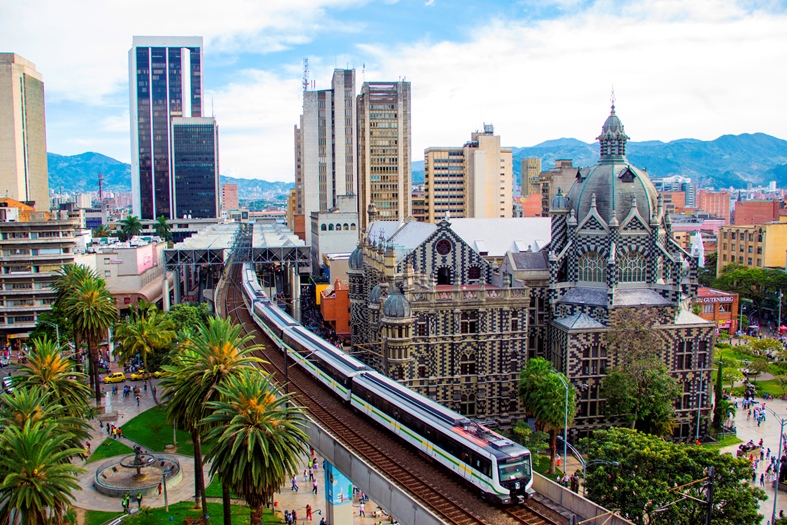
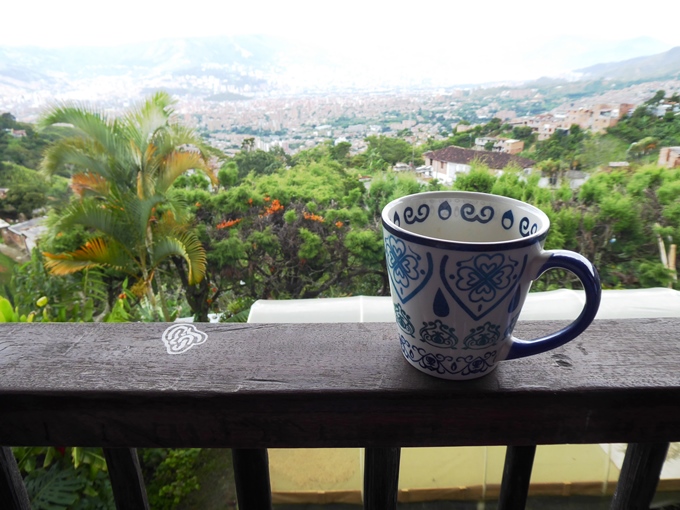
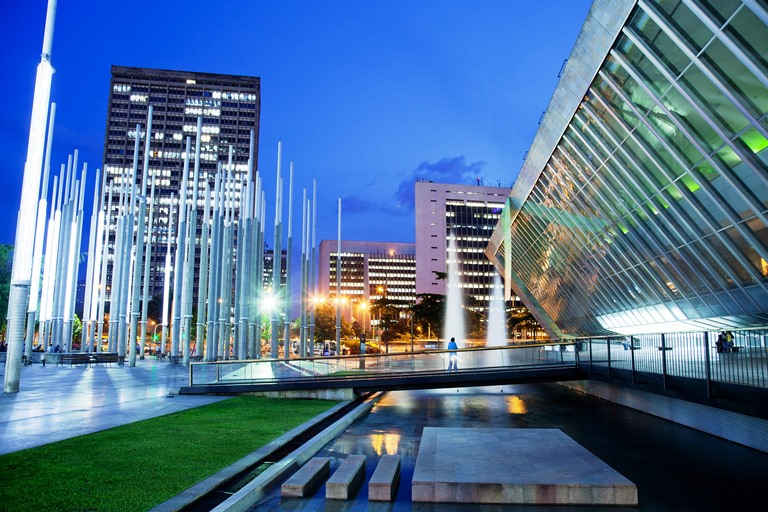
Medellín, the “city of eternal spring” or “capital of the mountains,” attracts more visitors and new residents every day thanks to its ideal climate — neither too hot nor too cold — its greenery, its industrial network, its bars and restaurants, its festive atmosphere, its modern transport system, its tumultuous past, and the kindness of its people… For many years, Medellín held the sad title of the most dangerous city in the world with a record number of daily homicides. Fortunately, things have changed, and it is through this transformation that we invite you to discover this modern city whose metropolitan area has more than 4 million inhabitants.
Comuna 13: A Symbol of Transformation
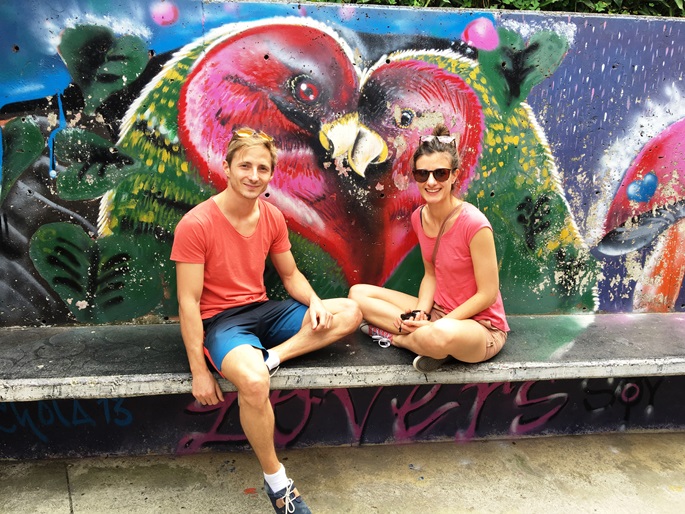
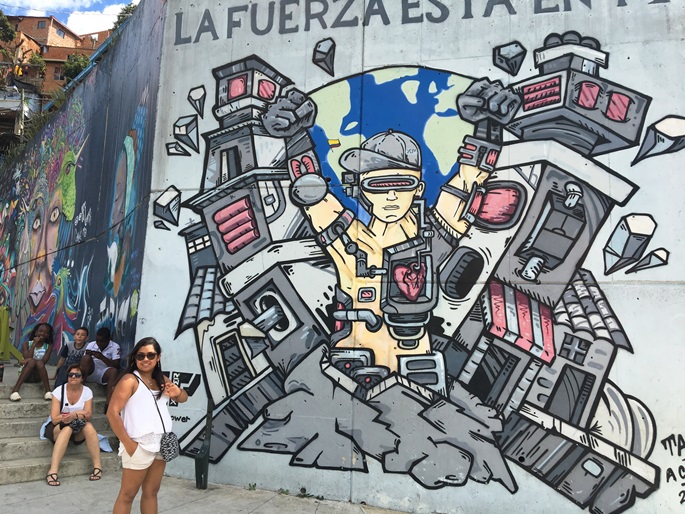
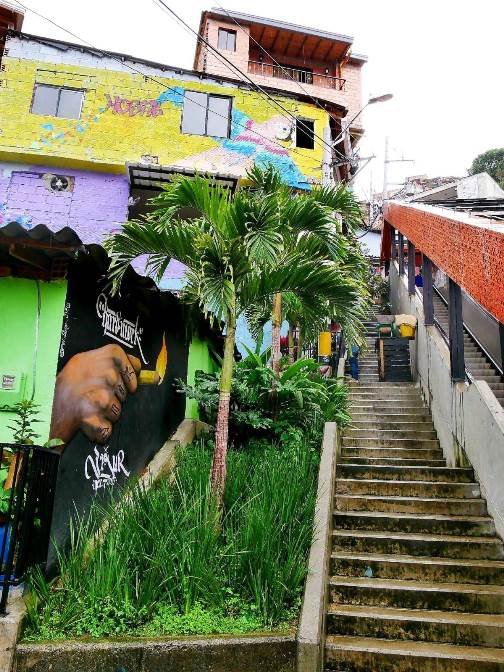
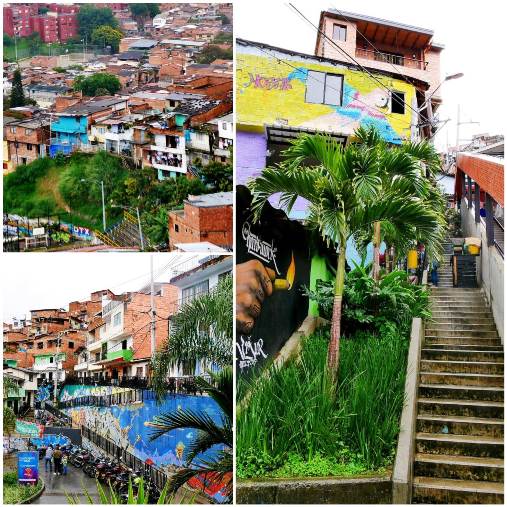
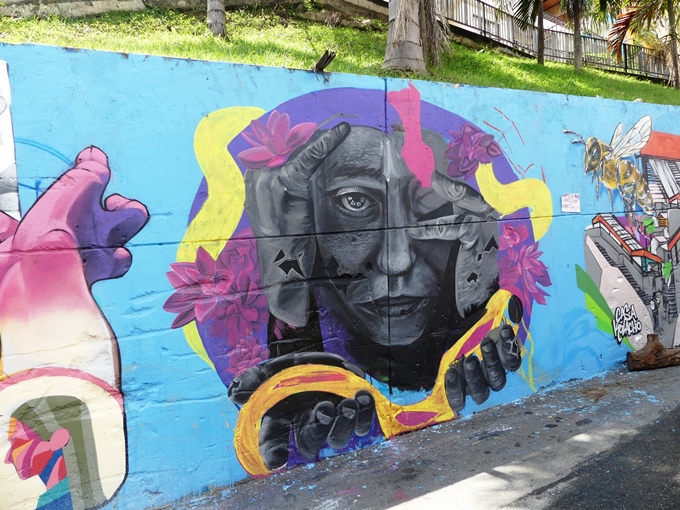
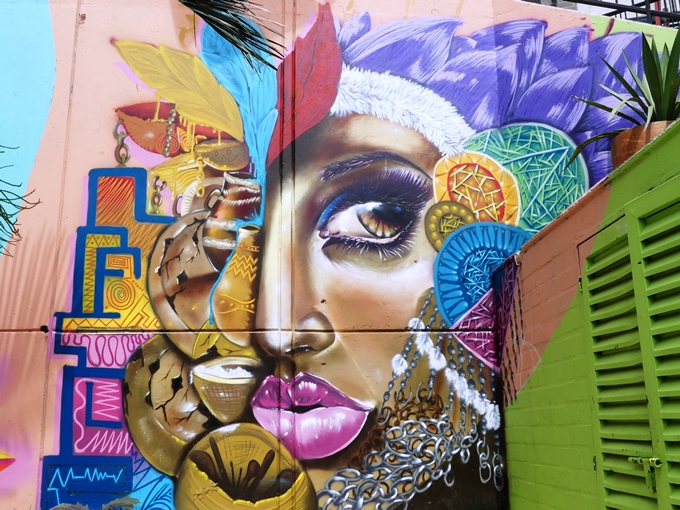
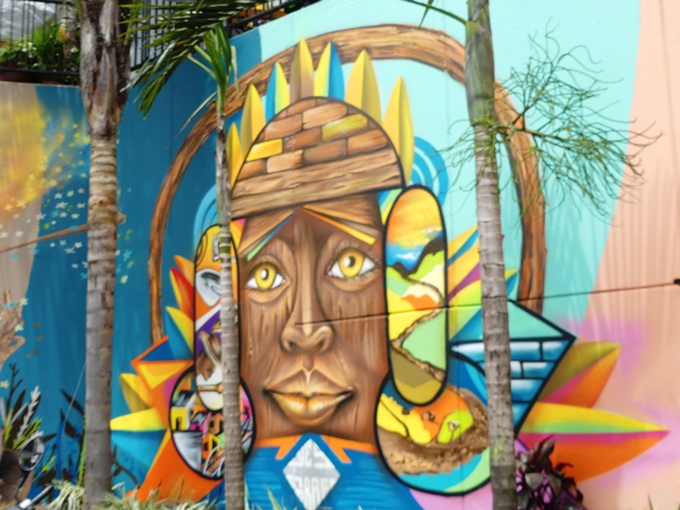
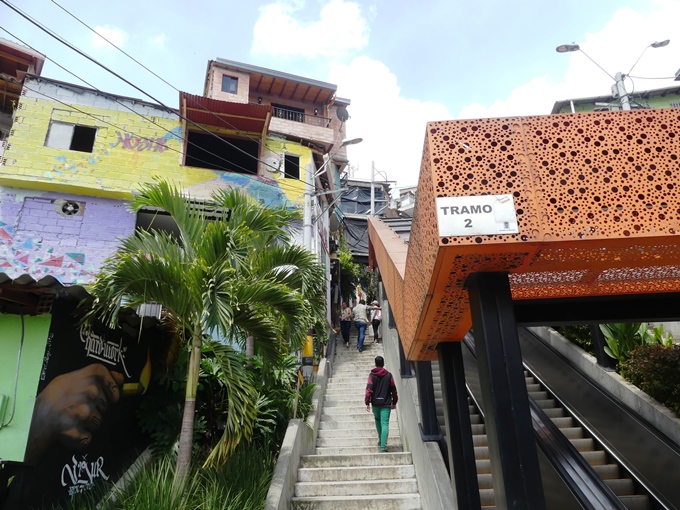
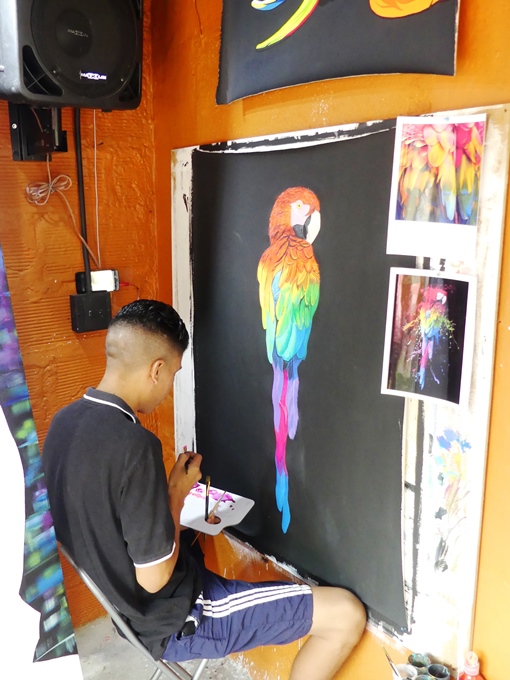
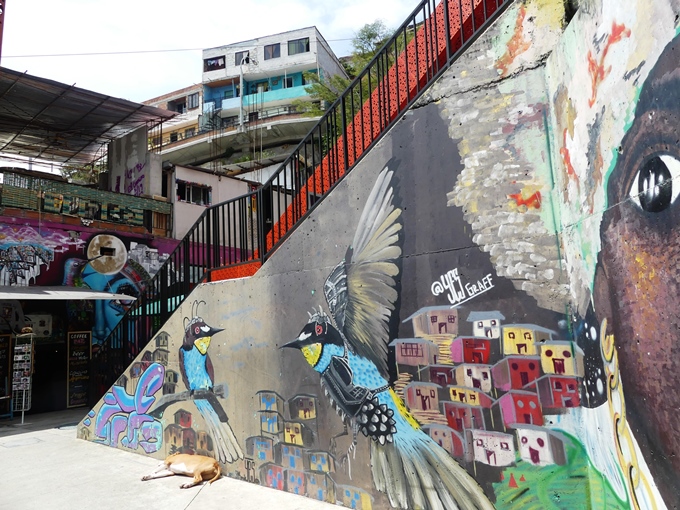
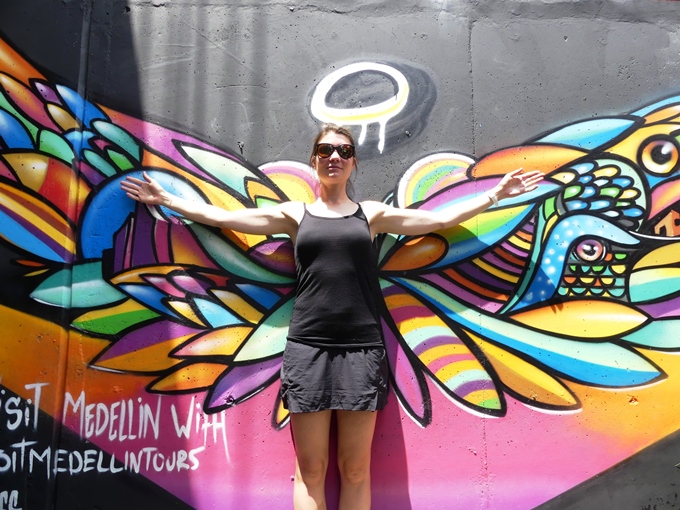
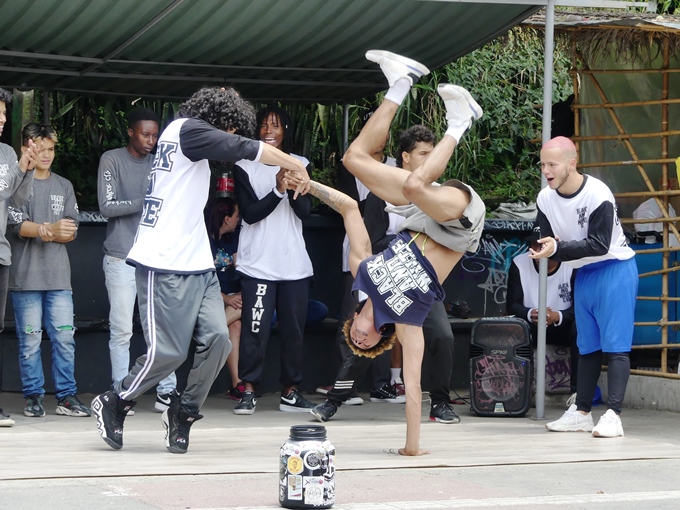
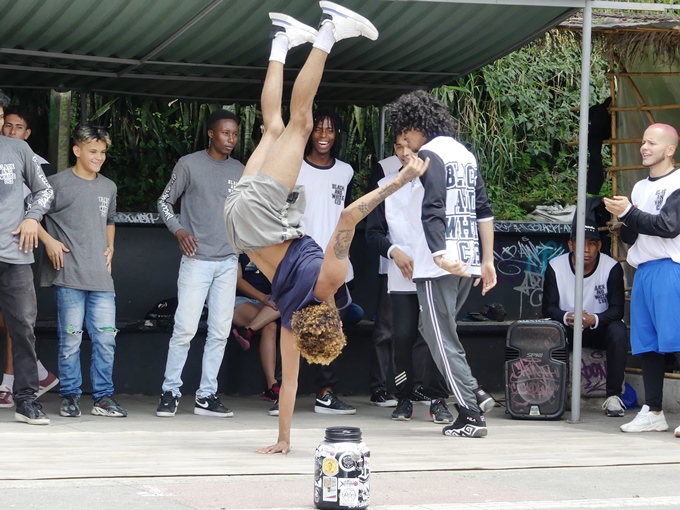
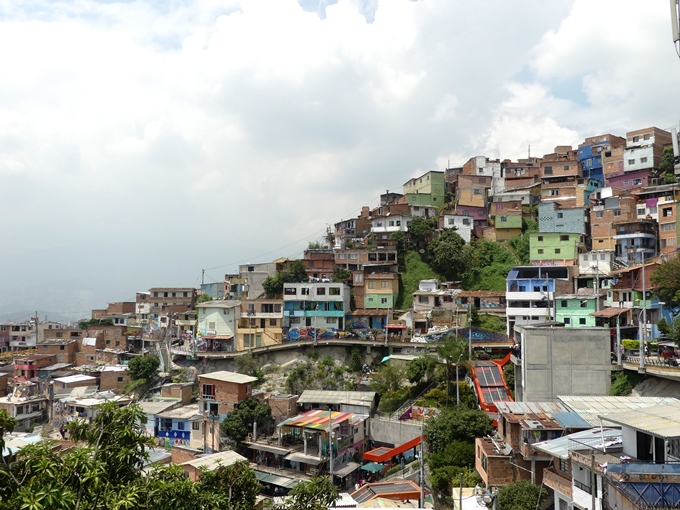
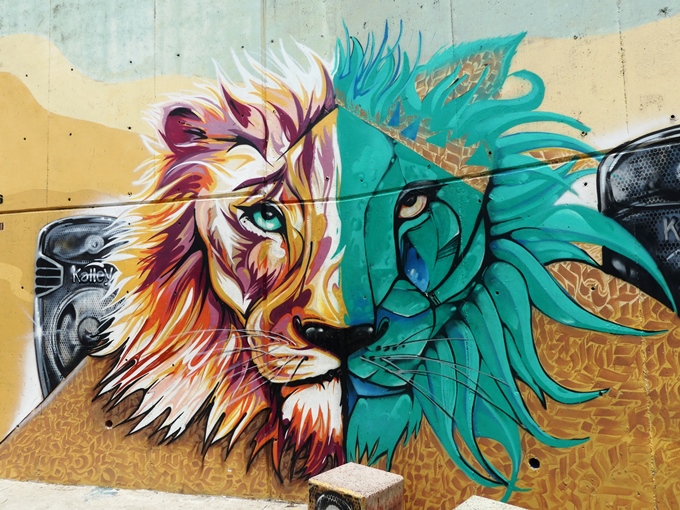
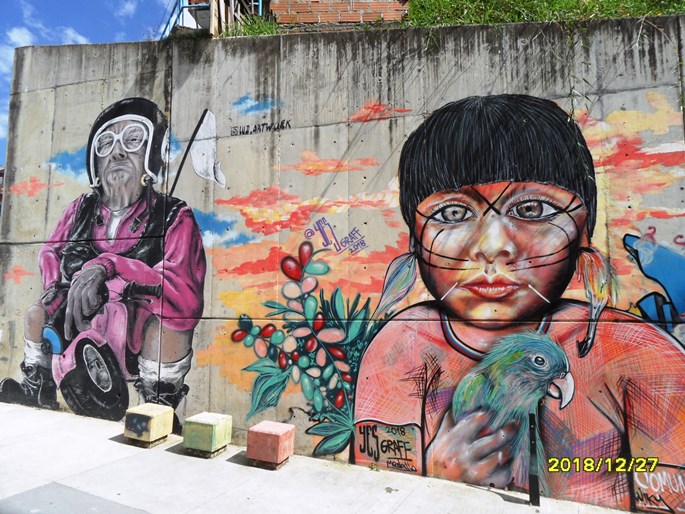
The Medellín tour we offer generally begins with Comuna 13, formerly the most dangerous neighborhood in the city, where in 2010 it was still impossible to enter because it had been controlled by the FARC’s 47th Front, then the paramilitary groups, and later local gangs… This neighborhood alone illustrates Medellín’s transformation. The construction of outdoor electric escalators by the city hall (inaugurated in 2011) created large concrete walls that the local graffiti artists began to use as canvases to express their art. Today, it is one of the most visited places in Medellín. The stunning murals tell the story of the neighborhood, and you will also come across rap and reggaeton groups, urban dance crews… all in complete safety.
Metrocable and Cerro Nutibara
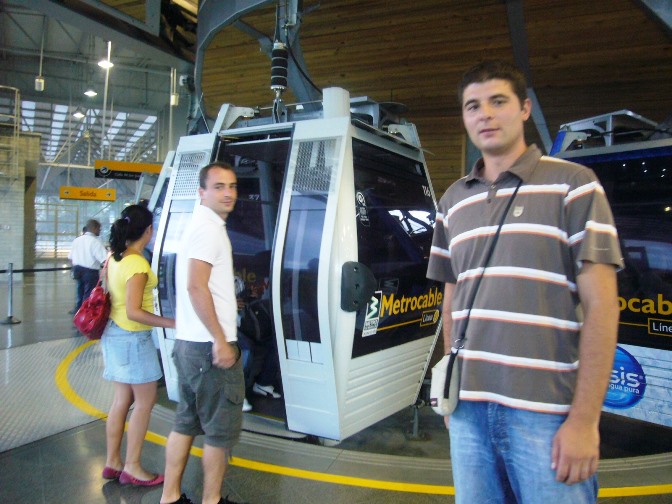
We sometimes continue by taking the San Javier Metrocable, an urban cable car that connects poor hillside neighborhoods to Medellín’s metro system. There are several Metrocable lines in the city.
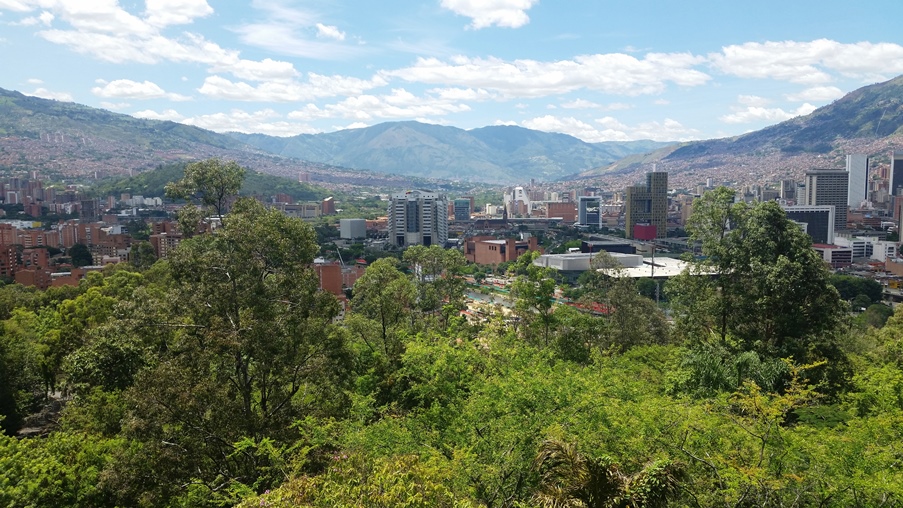
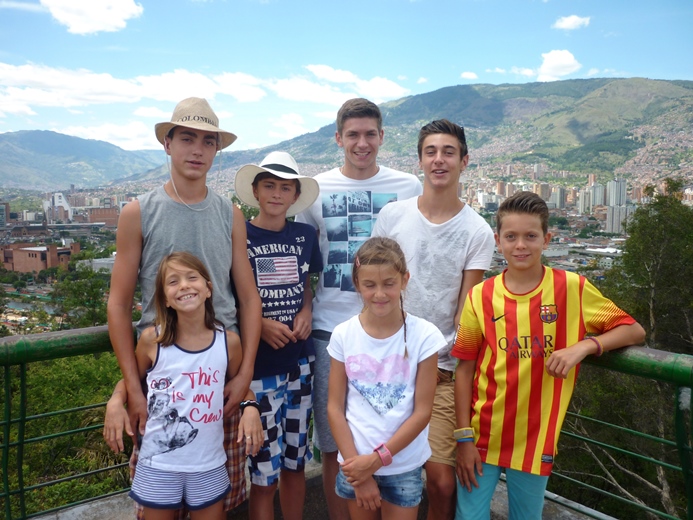
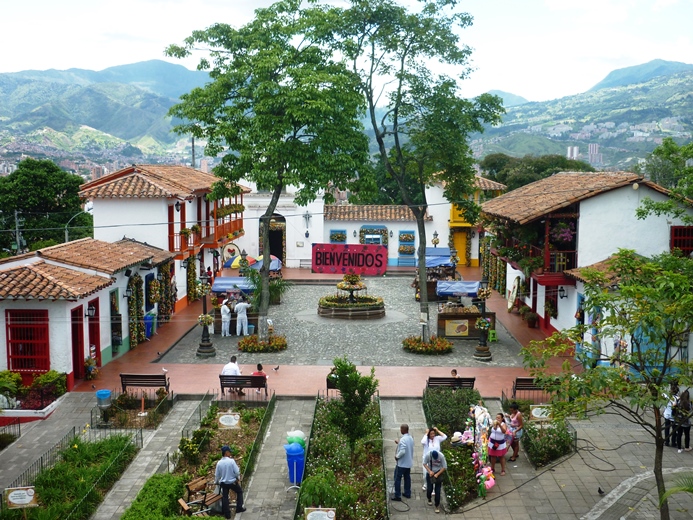
After that, we head to Cerro Nutibara, also known as “Pueblito Paisa,” to enjoy a 360-degree view of the city and the Aburrá Valley. At the top, you’ll find a replica of a traditional Antioquian village where you can eat.
Historical Center and Cultural Spaces
After lunch, the tour continues in Medellín’s historic center. Do not expect a beautiful colonial district — this is a very modern city. The colonial area is Santa Fe de Antioquia, the former departmental capital located about 60 km away…
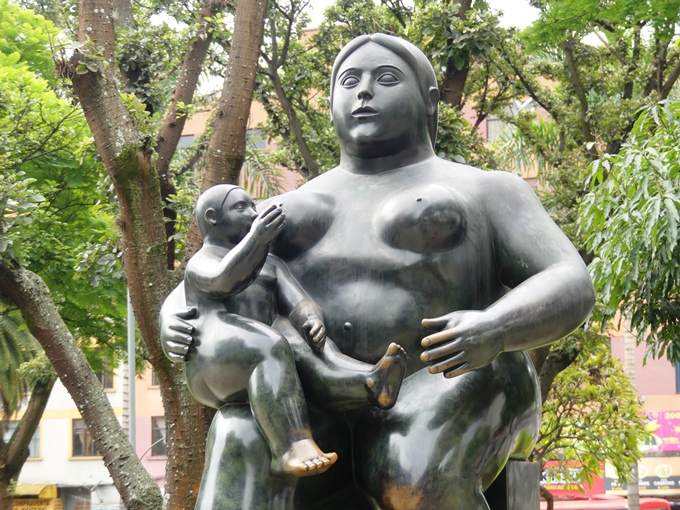
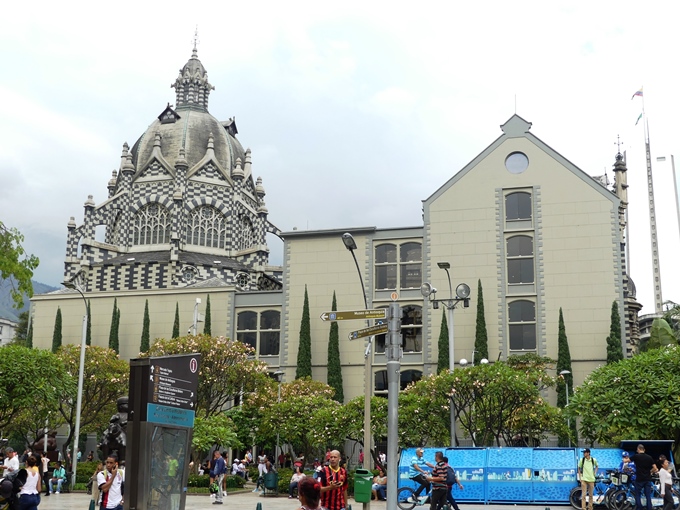
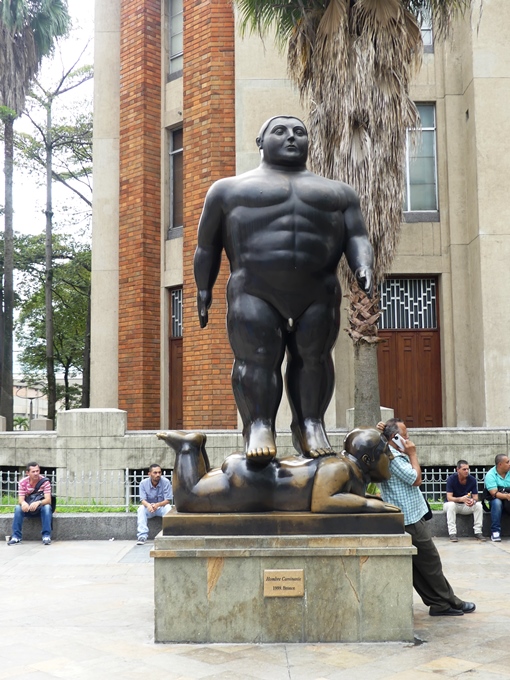
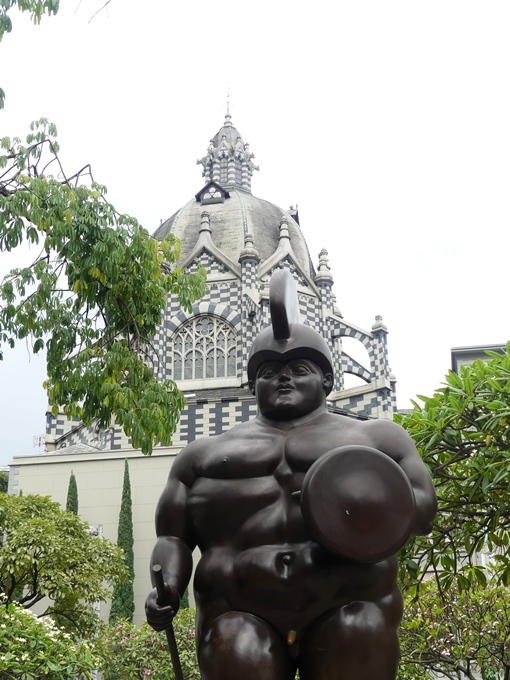
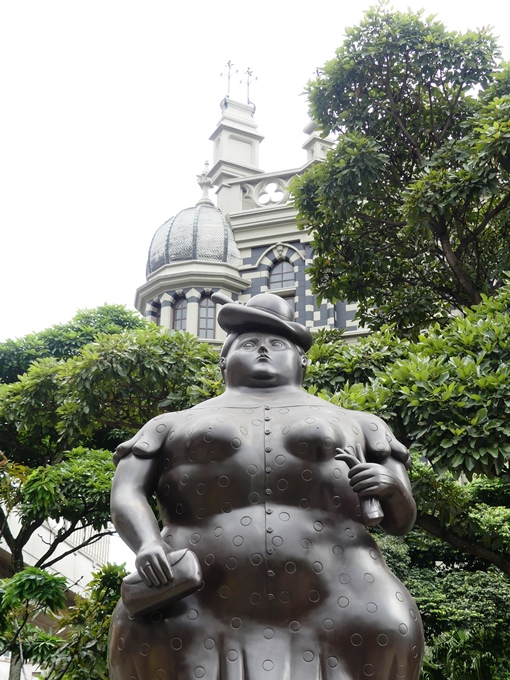
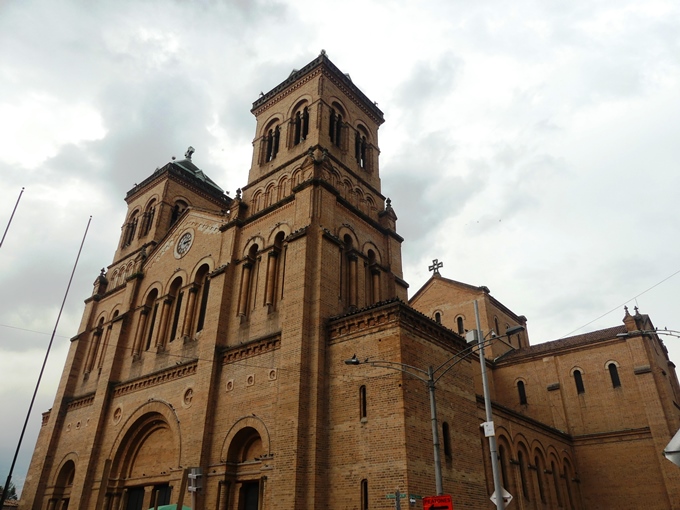
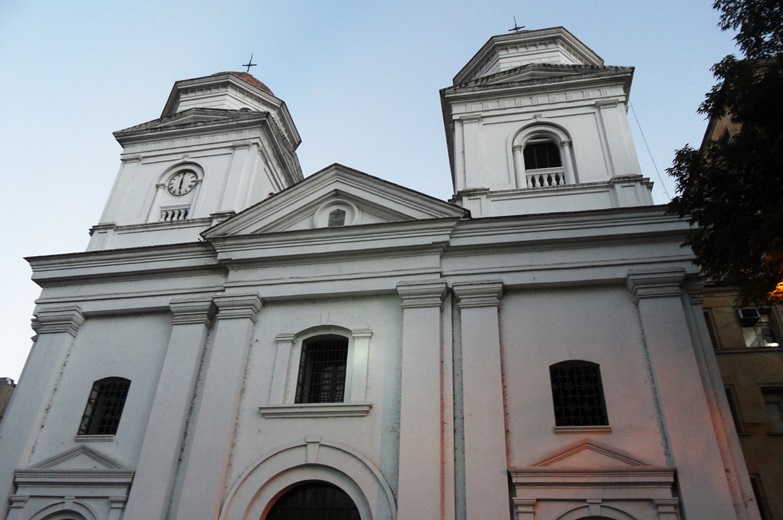
We begin at Plaza Botero, filled with works by the famous sculptor. Then we visit Parque Berrio, the central metro station where the oldest church in Medellín is located, and then we head to the Metropolitan Cathedral, the largest brick church in Latin America, along with its beautiful park.
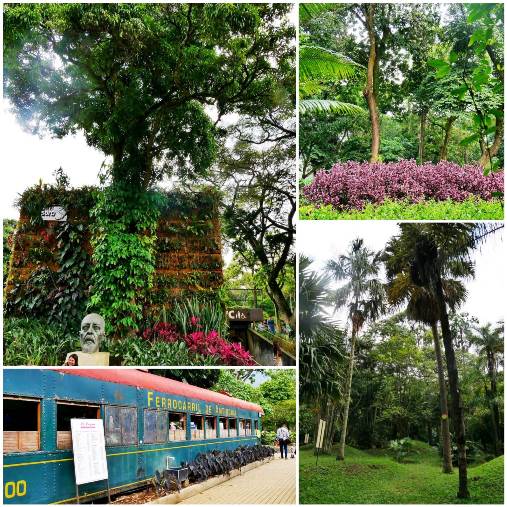
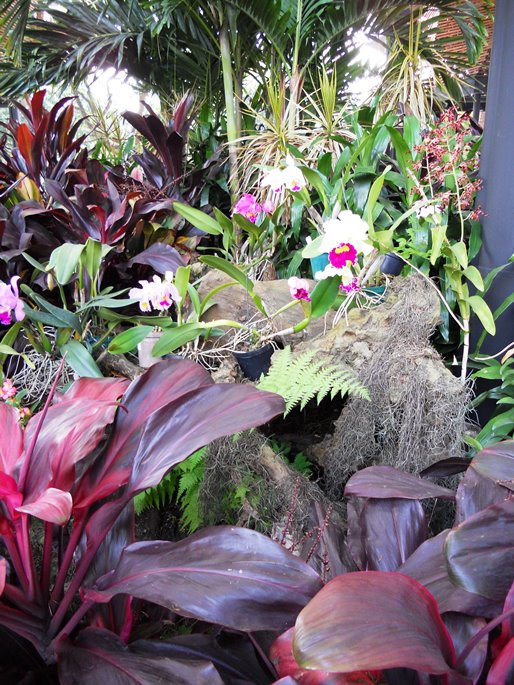
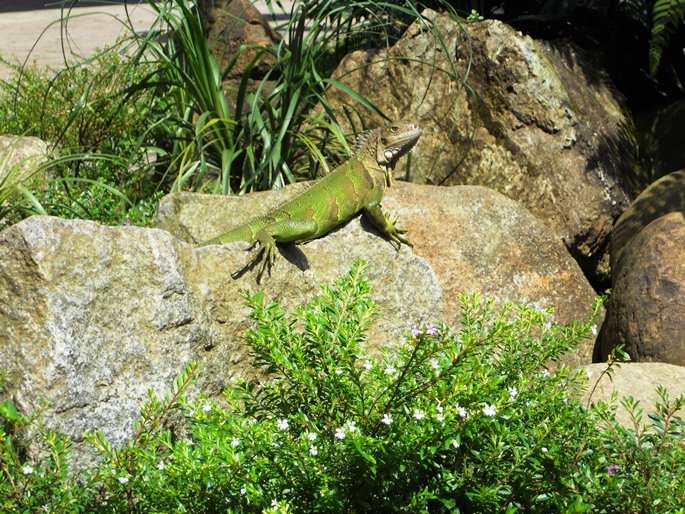
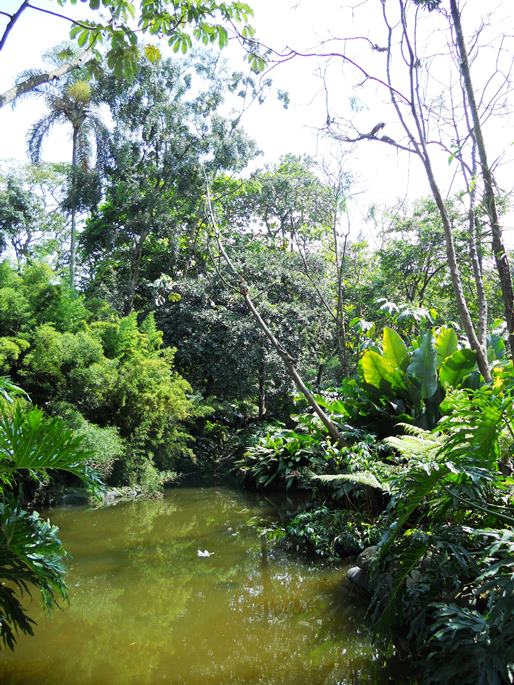
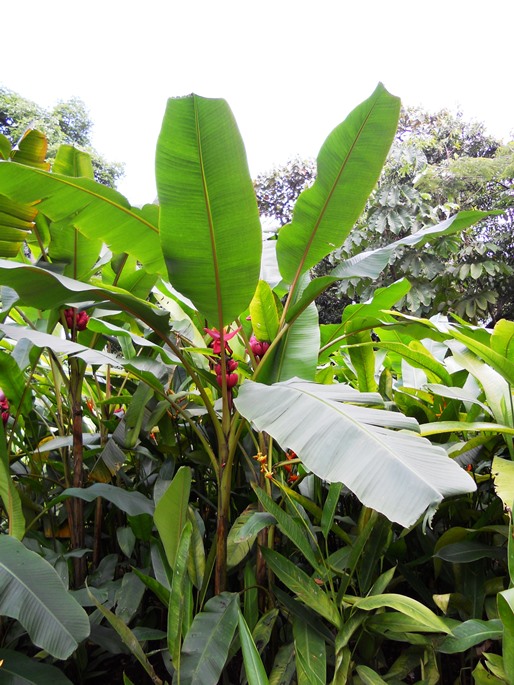
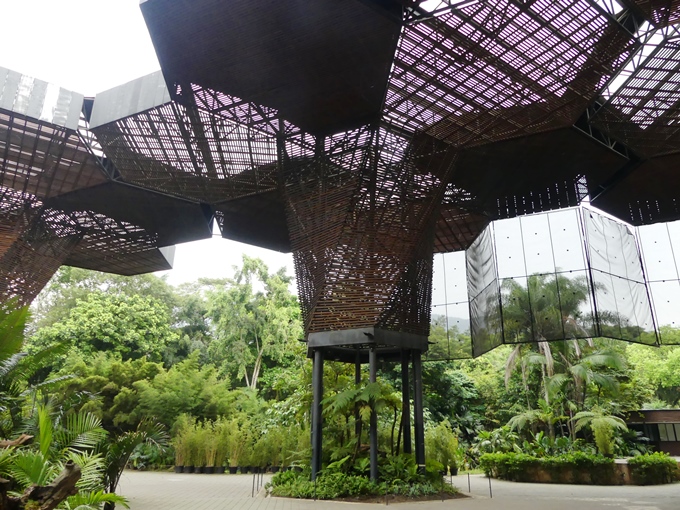
To finish, we go to the Botanical Garden, a green oasis in the middle of the city where you can see (in season) a magnificent collection of blooming orchids as well as numerous plant and tree species. Nearby, we will pass (without entering) Parque Explora — a kind of Colombian science center with an impressive aquarium — and we finish at the Casa de la Música, a public space where musicians and music groups (classical or otherwise) freely rehearse…
Second Day Option: Museums and Modern Districts
Depending on the group and its interests, we can spend a second day in Medellín more focused on museums, including the Casa de la Memoria (free, explaining the city’s violent past), the Museo de Antioquia (paid, dedicated to contemporary art), Parque Explora (paid, a Colombian science city with a beautiful aquarium), the flower market, the Pablo Tobón Theater, and the “rich” neighborhoods of El Poblado and Laureles with parks full of Western-style bars and restaurants.
We can also visit Arví Park, a natural reserve accessible by cable car from Medellín at 2300m above sea level, where you can walk, go mountain biking, birdwatch, observe butterflies and flowers, and even visit a pre-Columbian archaeological site…
Local Experiences: Coffee and Cacao
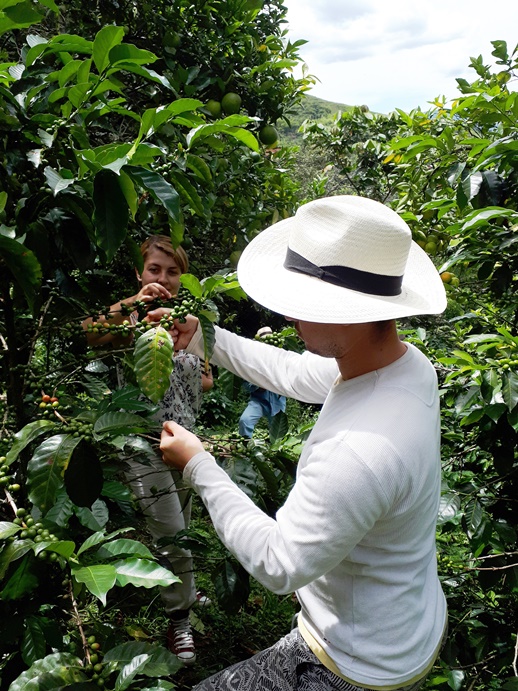
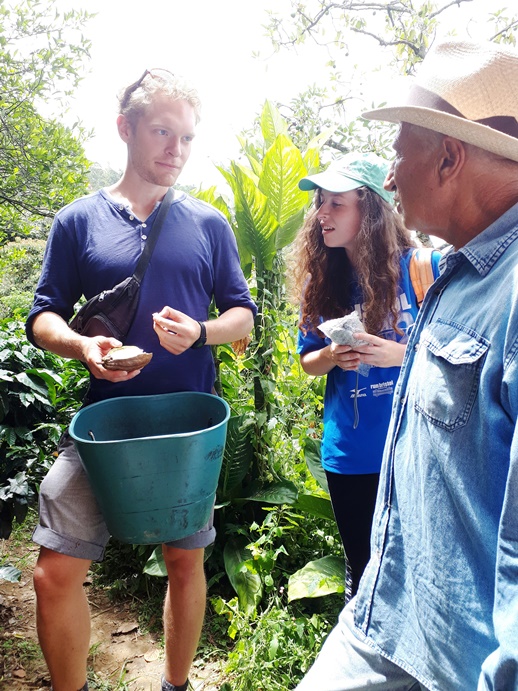
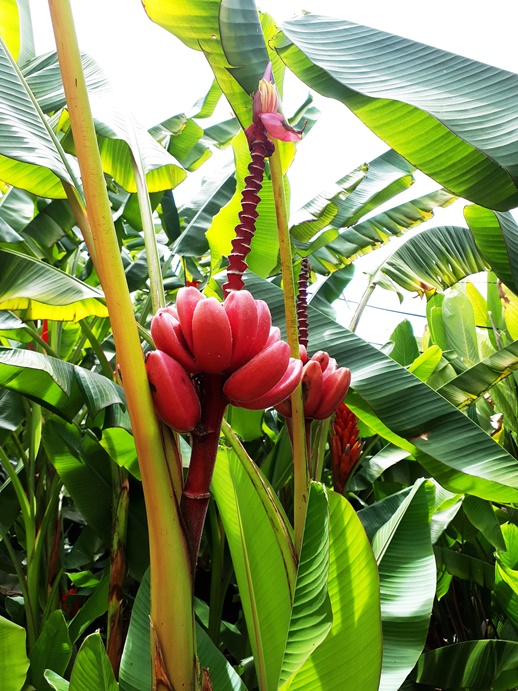
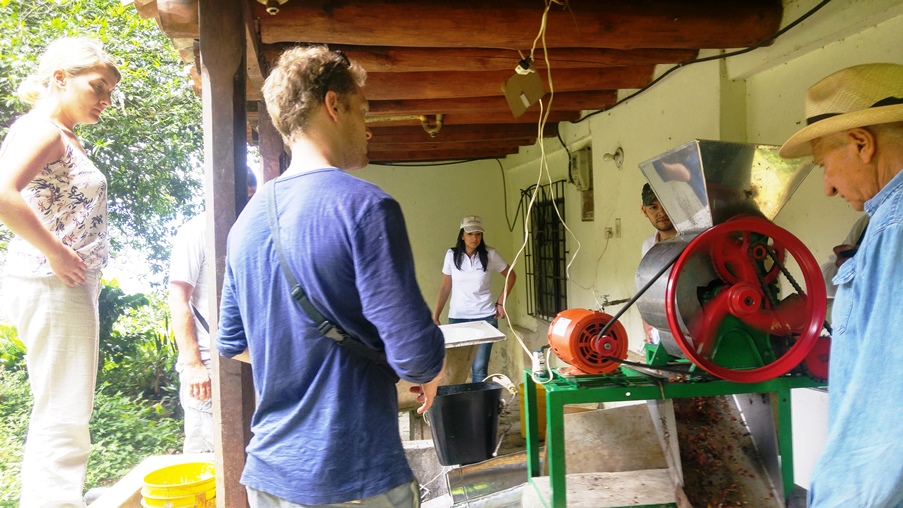
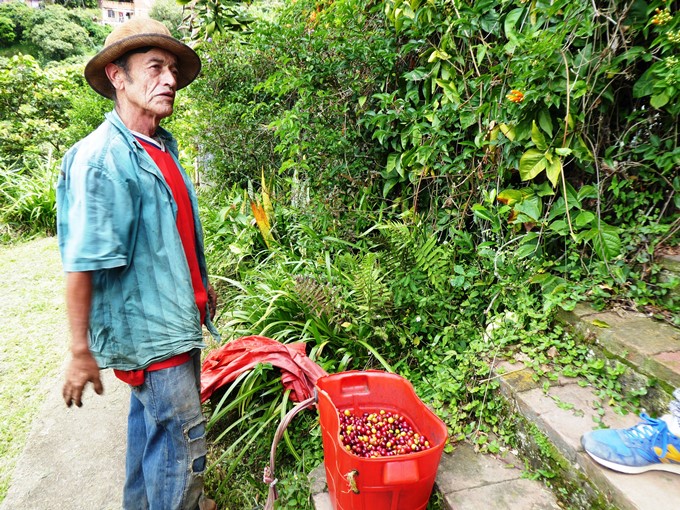
In Medellín, right in Comuna 13 and near the graffiti tour, you can visit a coffee and cacao farm located in the middle of an urban neighborhood: Café La Loma. Jaime, a true paisa and charismatic local figure, will be delighted to show you every corner of it.
Major Annual Events
Flower Festival
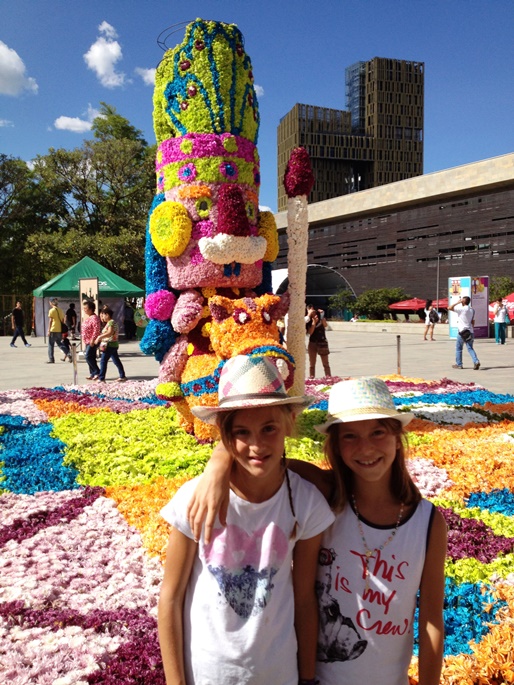
There are two moments of the year in Medellín that leave a strong impression. The first is the Flower Festival, generally held during the first week of August, when the “silleteros” come down from the surrounding mountains carrying “silletas” on their backs — large wooden structures decorated with flowers.
December and Christmas Lights
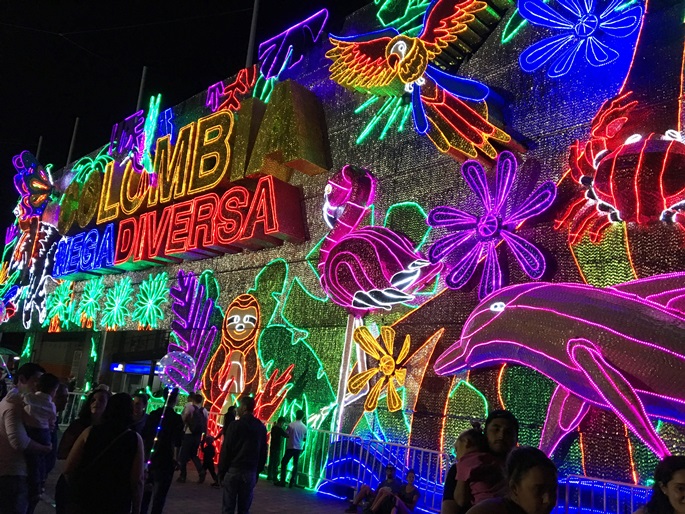
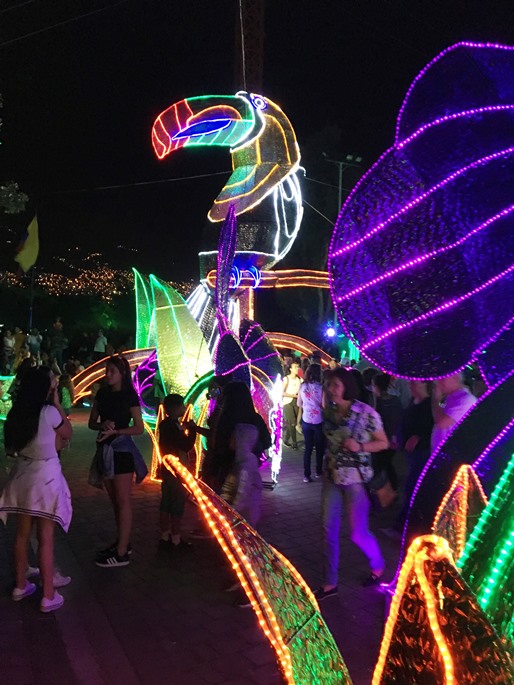
The second is the entire month of December, due to its festive atmosphere and famous Christmas light displays known throughout the country and beyond… During this month, children are on school holidays. Nativity scenes appear in every neighborhood, and at night families and especially children gather to sing the “novena.” On weekends, rum and aguardiente flow freely to the sound of Christmas cumbia!
Medellín and Tango
Medellín is the Colombian capital of tango, the adopted city of the famous Uruguayan-Argentinian tango singer Carlos Gardel. Tangovia is held every last Friday of the month in the neighborhood, with beautiful tango performances open to the public.