

Playona and Goleta
Playona is a small micro-village with just a few families and no electricity, located right next to Acandí, the largest town on this side of the Gulf of Urabá, halfway between Triganá and Capurganá. It can be reached in about 45 minutes by small local boats or in 30 minutes by larger passenger boats that run regular routes (though these stop only in Acandí, not in Playona).
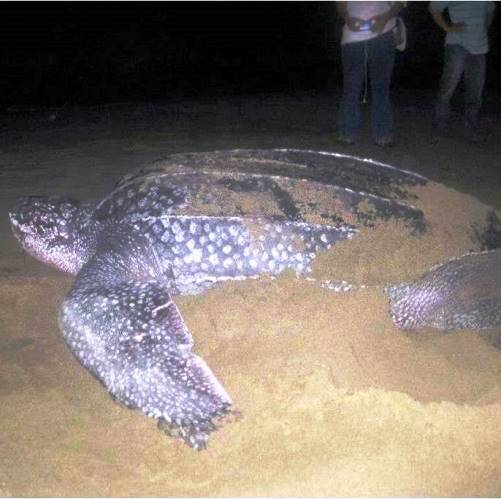
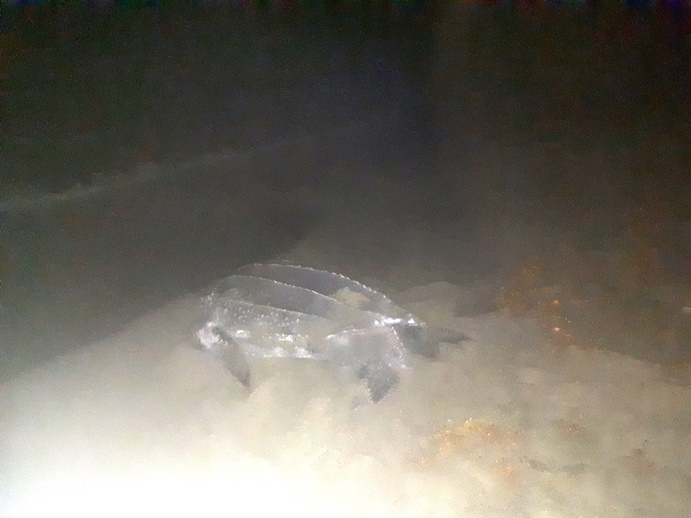
It is on the long beach of Playona that the world’s largest sea turtles — the leatherback turtles, known locally as tortugas caná — come to nest. These impressive creatures can reach up to 2.3 meters in length and weigh more than 700 kilograms. They live in deep waters, feed mainly on jellyfish, and are almost blind. Their shell is not hard but flexible, a unique feature among sea turtles.
There are only 18 beaches in the world where this phenomenon occurs, and three of them are located in the Gulf of Urabá, making Playona a truly privileged and magical place to witness one of nature’s most extraordinary events.
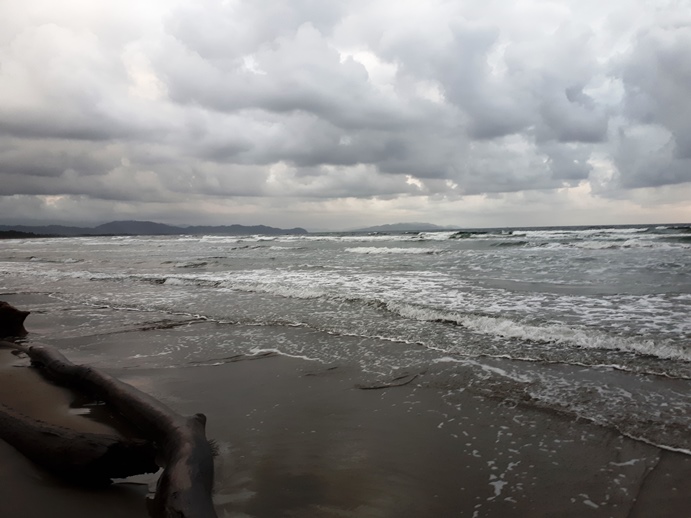
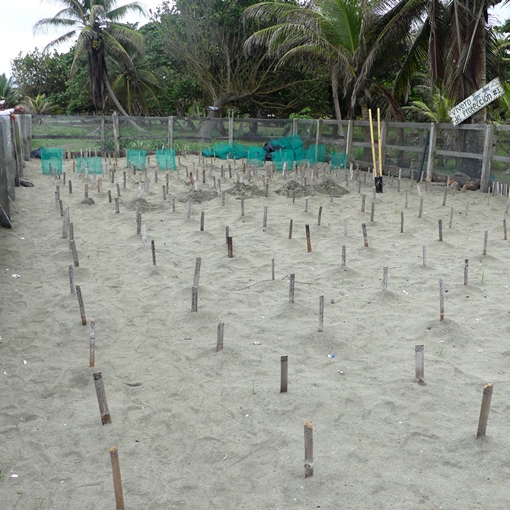
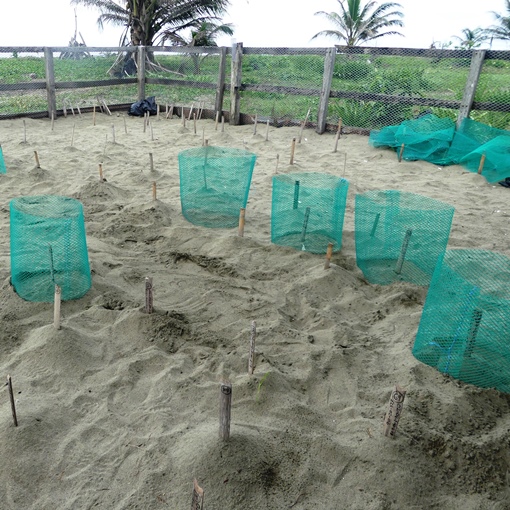
Playona Beach stretches for about 14 kilometers, from Goleta (closer to Triganá) to Acandí (closer to Capurganá). The turtles mainly come to nest in the last 4 kilometers near the sanctuary and the incubation areas, where local volunteers move many nests to protect them from predators — birds, dogs, reptiles — and from occasional egg collection.
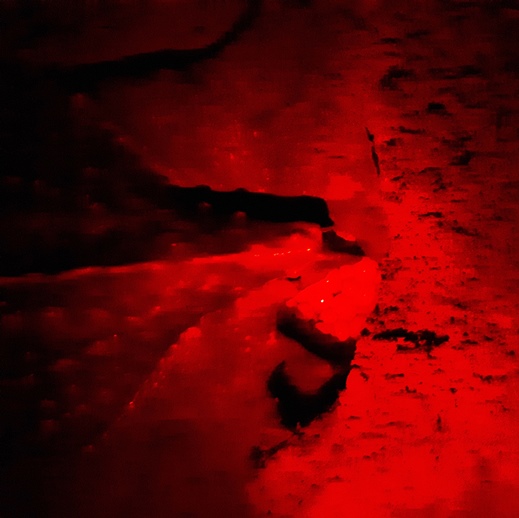
Watching a turtle lay her eggs takes about two hours, from the moment she leaves the sea to her return. Visitors may witness the process as long as they respect the local guidelines: use only red lights, remain completely silent, and stay at least three meters away — otherwise, the turtle may retreat to the sea without nesting.
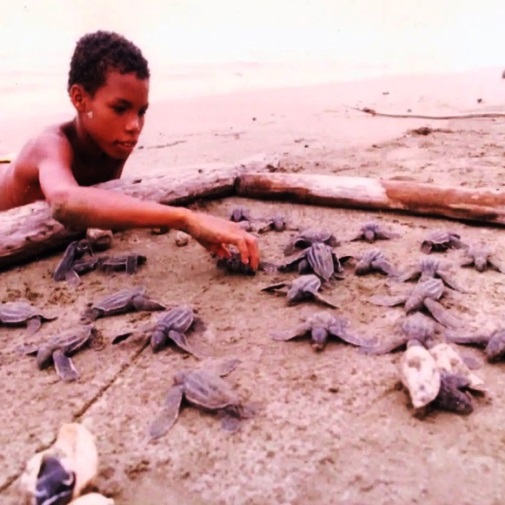
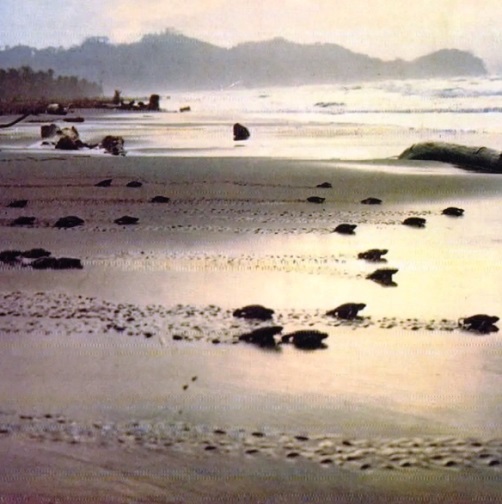
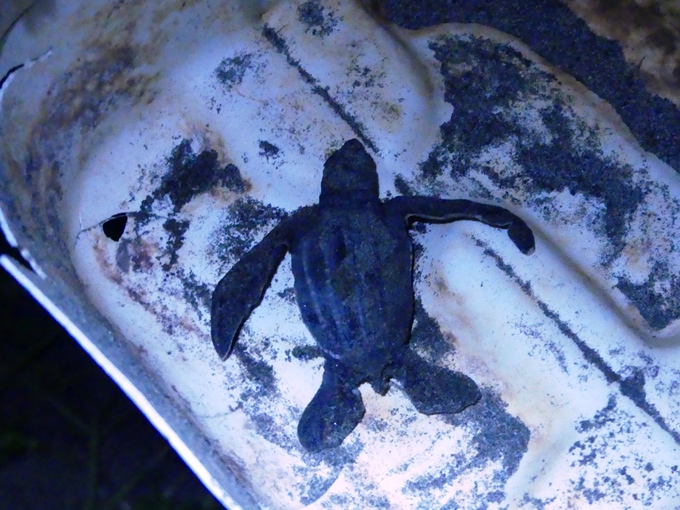
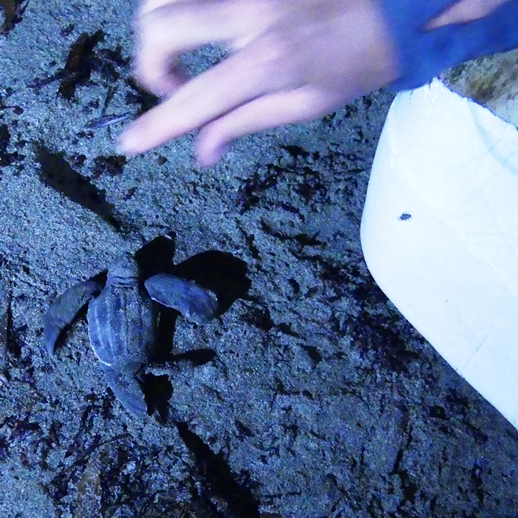
The nesting season runs from early February to late June, and hatching takes place between April and the end of August. Each turtle lays about 80 eggs, which incubate for around 60 days. During this time, it is possible to see baby turtles emerging from their nests and making their first journey to the sea. Thanks to the volunteers’ work, many relocated nests make it almost certain to witness this magical moment. The weakest hatchlings are released manually the next morning, giving them a chance to survive — although, statistically, only one out of a thousand reaches adulthood. These turtles can live up to 100 years and reproduce every two or three years.
Playona has no dock, and during the dry season (from December to April) it is impossible to arrive by boat due to the waves. In that case, the boat will drop you off in Goleta or Acandí, from where you must walk along the beach to the sanctuary.
If you start from Goleta, the walk itself is part of the adventure: this small fishing settlement lies between the jungle and the sea, surrounded by coconut palms, seabirds, and a profound sense of isolation. Its beach, wilder and less maintained — with debris often brought in by the tide — retains the raw charm of places untouched by tourism. The walk from Goleta to Playona takes about an hour and a half, depending on the tide. It’s not the most comfortable route, but it’s authentic and offers a genuine glimpse of the Chocó Caribbean, still wild and untamed.
The best time to visit is May and June, when you can see both adult turtles nesting and the hatchlings reaching the sea. During these months, the sea is calmer, allowing small boats to reach the sanctuary around 6 p.m., just before nightfall, and return after the observation. However, spending the night in Playona is highly recommended — it supports local families and lets you experience the peace of this remote corner of the world.
Keep in mind that accommodations are very basic and without electricity, so it’s not suited for all travelers. But for those seeking authenticity, nature, and complete silence, Playona and Goleta are unforgettable stops along the Caribbean coast of Chocó.