


Peque
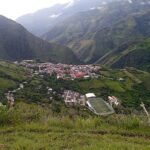
Located in the remote western region of Antioquia, Peque is a municipality that proudly preserves its agricultural identity, its close relationship with the land, and an environment that remains largely untouched. Its steep mountains, wide rivers, and forested trails make it an ideal destination for travelers seeking an authentic and off-the-beaten-path experience far from mass tourism.
The territory forms part of the biological corridor of Paramillo National Natural Park, a strategic protected area known as the “Water Factory” for its vast hydrological importance and its humid forests, which are home to emblematic species of northwestern Colombia. For visitors, this means the opportunity to explore pristine landscapes and exceptional biodiversity.
Among its natural attractions:
-
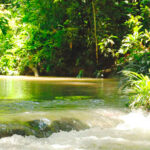
Thermal springs of Toldas, a series of natural sulfur-rich pools perfect for relaxing after a hike.
-
La Llorona Waterfall, a beautiful cascade hidden among dense forest and coffee crops.
-
Salto de la Escopeta, a viewpoint overlooking the Cauca River and the dramatic mountain range.
-
Natural viewpoints such as La Ceja, offering sweeping panoramas of canyons, folded mountains, and agricultural valleys.
Peque also has deep historical significance. Its name comes from the Peques, an Indigenous group of the Catío family, whose legacy lives on in ancestral paths and local traditions. Visiting the municipality is also a journey into that historical memory.


Festivals:
Daily life is driven by the cultivation of beans, coffee, and timber—products that have shaped the local economy and cuisine. In October, the town celebrates the Bean Festival and Harvest, its most important cultural event, featuring agricultural fairs, music, dance, and traditional food.
Other festivities include the Campesino Olympics and the Virgin of Carmen Festival, which reflect the community’s festive and rural spirit.

📍 How to get there
Traveling to Peque requires a long but scenic journey of about 7–8 hours by road from Medellín, passing through Santa Fe de Antioquia and Uramita. The roads are mostly rural and mountainous, so it’s best to travel during daylight, check road conditions, and plan the trip with time.
There are no large hotels or luxury infrastructure, but you will find family-run accommodations, surprising landscapes, trails that begin right from town, and the opportunity to connect with a humble way of life strongly rooted in the territory.